When Pets Grieve, Too: What Amara Taught Us About Loss
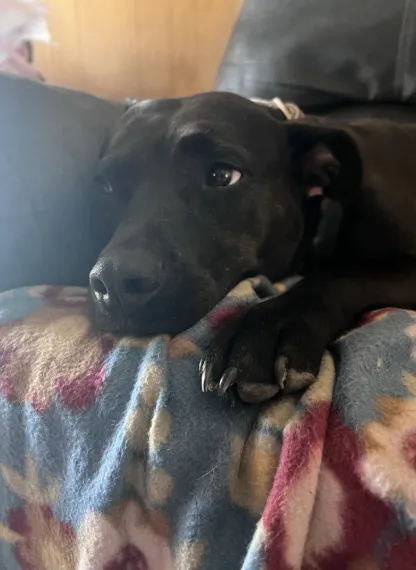
Nothing is sadder than a broken-hearted pittie. Amara recently lost a beloved friend she'd grown especially close to over the past year — the grandmother of her baby humans. It was a sudden, unexpected passing for everyone involved.
Like humans, dogs grieve in their own way, and that grief can look remarkably different from person to person, and pet to pet. Dogs live in the moment, processing their world by reading the body language, emotions, and behaviors of everyone around them. That can make their grieving process especially confusing for them, since their sense of loss is just as real and profound as ours — they simply don't have the words for it.
Signs of Pet Grief
Loss of appetite
Lethargy
Separation anxiety
Accidents in the home from an otherwise potty-trained dog
Vocalizations
Personality and behavior changes
Always schedule a vet checkup to make sure any new changes in your pet aren't a symptom of a medical issue rather than grief.
How to Help Your Pet Navigate Grief
Recognize that your pet is grieving
Look after their physical needs
Do bonding activities your dog enjoys
Stick to their regular schedule
Avoid hovering — try not to be a "helicopter" pet parent
Don't try to replace their person
Help your dog make new memories
Be patient
Provide entertainment while you're away
Reinforce good behavior and gently redirect (rather than punish) unwanted behavior
Talk to your vet about medical support, if needed
With time, lots of love, and attention, Amara is back to her normal, happy pittie self — though, like the rest of us, some days are still a little rougher than others.
References:
Sarah Stauffer, Certified Dog Training and Behavior Specialist, Buddy's Place Canine Behavior
Lap of Love: "Helping Your Pet Cope with the Grief and Loss of Another Pet"
VCA Hospitals: "Do Dogs Mourn?"
Old Dog Haven: "How to Help a Grieving Dog"
LSU Veterinary Medicine: "Grief in Companion Animals" (Best Friend Gone Project)