How to Keep Your Dog Happy and Healthy, Even When You Work Long Hours
Long work hours can be a real challenge for pet owners, but it's absolutely possible to have a happy, healthy dog — even if you're working 70-hour weeks. Here are a few tips to help you make it work.
1. Plan Ahead
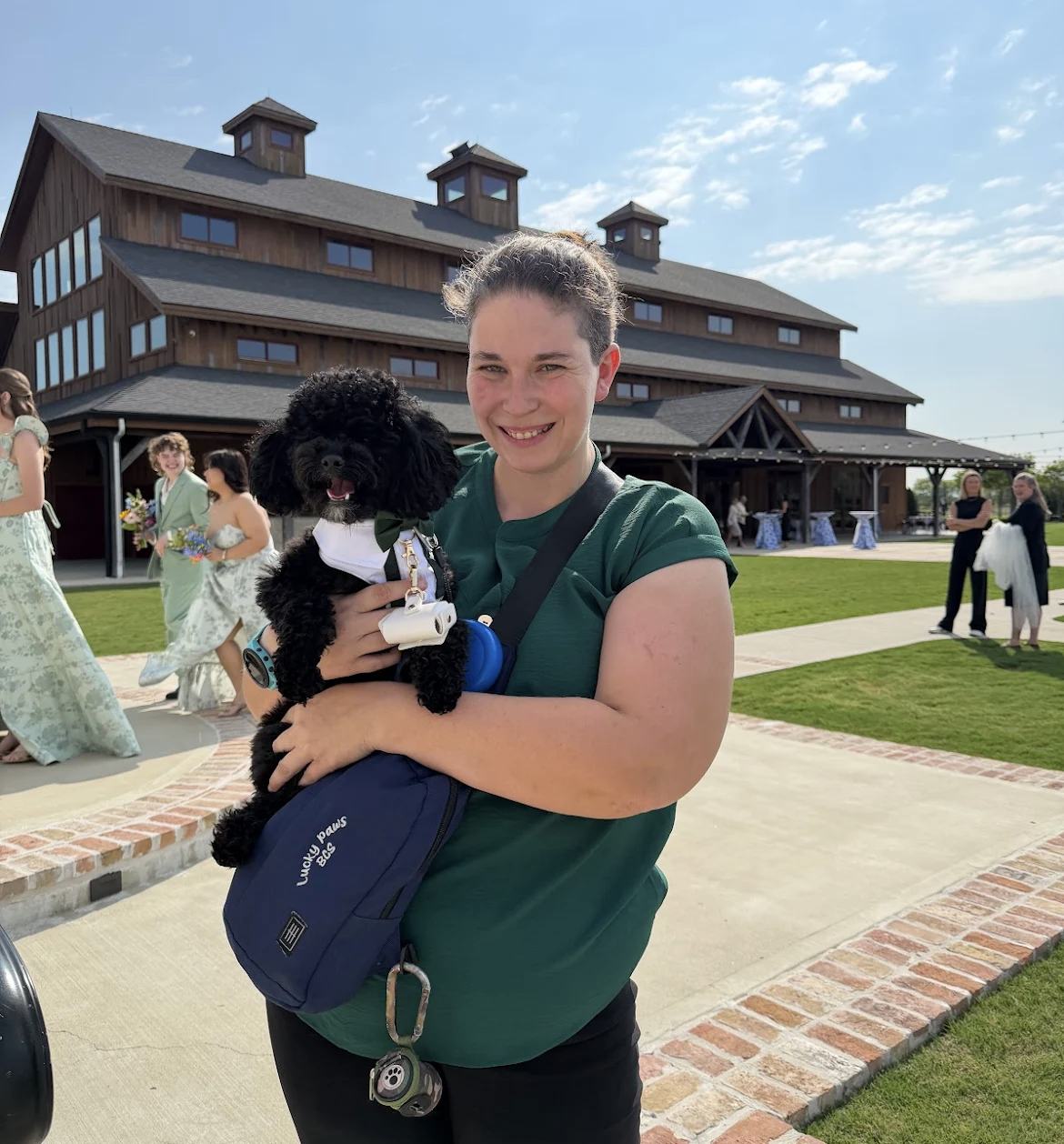
Dog walking or sitting services: Consider hiring a professional dog walker or sitter (like Lucky Paws BCS) to visit your home or take your dog to a doggy daycare while you're at work. This ensures your dog still gets plenty of exercise and socialization, even on your busiest days.
Schedule breaks: If possible, build short breaks into your day to check in on your dog. Even a quick 15-minute walk or play session can make a big difference.
2. Create a Routine
Feeding and potty breaks: Stick to a regular feeding and potty schedule, even if it means waking up early or coming home late. Consistency helps your dog feel secure and can reduce accidents in the home.
Training and playtime: Schedule regular training sessions and playtime, even if it's just a few minutes a day. This keeps your dog mentally and physically stimulated, not just physically tired.
3. Make the Most of Your Time Together
Quality over quantity: When you are home, be intentional about the time you spend together. Play games, go for a walk, or simply cuddle on the couch.
Create a safe space: Make sure your dog has a comfortable place to retreat to when you're not home — a crate, dog bed, or designated cozy corner all work well.
4. Seek Support
Find a pet-friendly community: Connect with other pet owners who work long hours, whether that's a local group or an online community. Sharing tips and support goes a long way.
Get professional help if needed: If you're struggling to balance work and pet care, a dog trainer or behaviorist can offer guidance tailored to your specific situation.
5. Consider Your Dog's Breed and Temperament
Lower-maintenance breeds: Some breeds are naturally more independent and need less hands-on attention than others. If you're considering adding a dog to your family, look for one whose energy level and needs fit your schedule.
Senior dogs: Senior dogs often require less exercise and attention than puppies or younger dogs, which can make them a great fit for busy households.
Every dog is different, and what works well for one may not work for another. The most important thing is staying aware of your dog's needs and making a consistent effort to meet them, even on a packed schedule.
Additional resource: